Shining light on the potential biomarkers of UV exposure
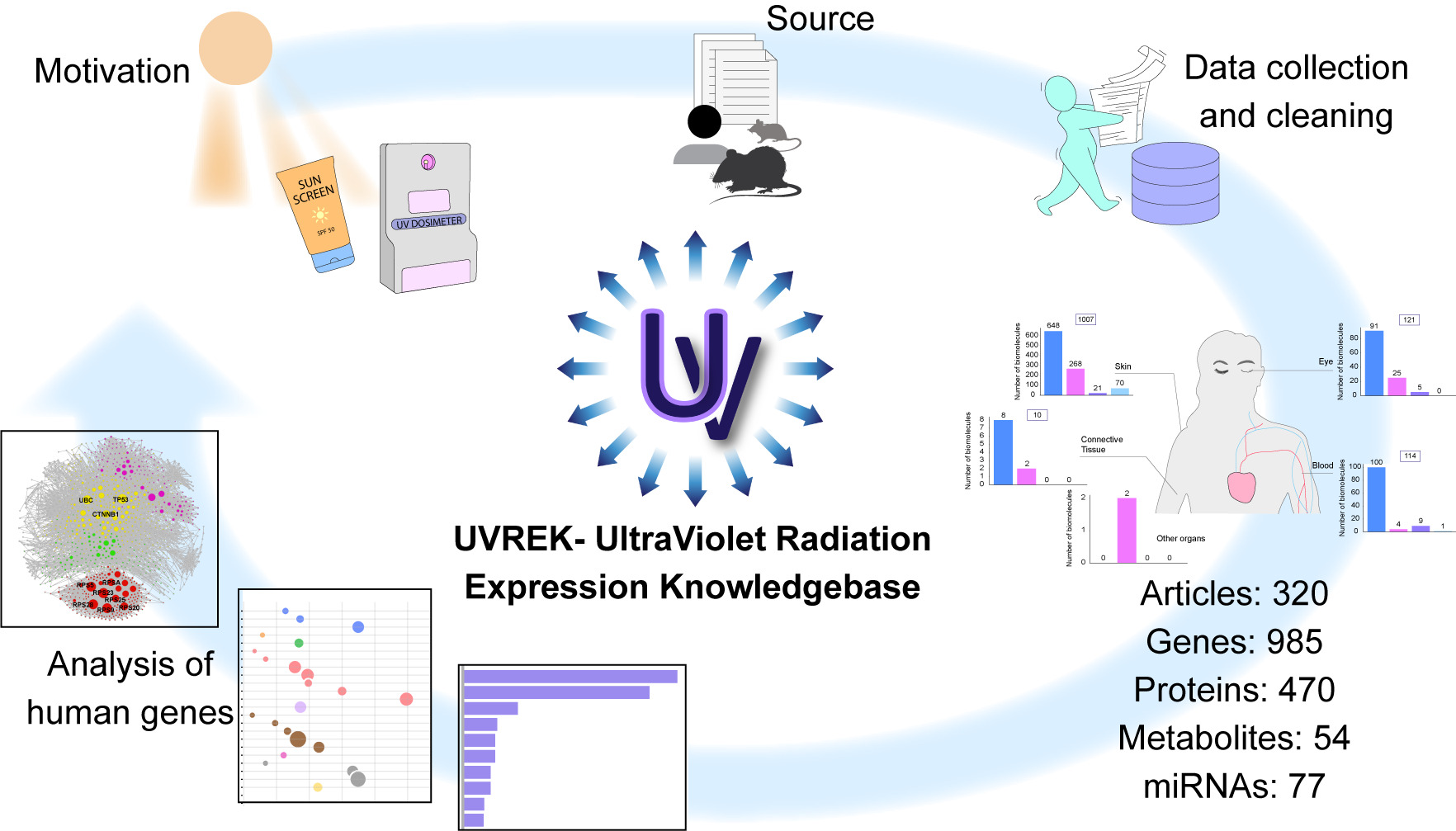
A recent database compiles information on the molecular effects of UV exposure, which can help in identifying early biomarkers and disease mechanisms.
A recent database compiles information on the molecular effects of UV exposure, which can help in identifying early biomarkers and disease mechanisms.

IMSc researchers and collaborators have developed a new theoretical framework to track particles in a complex fluid while they randomly start from scratch.
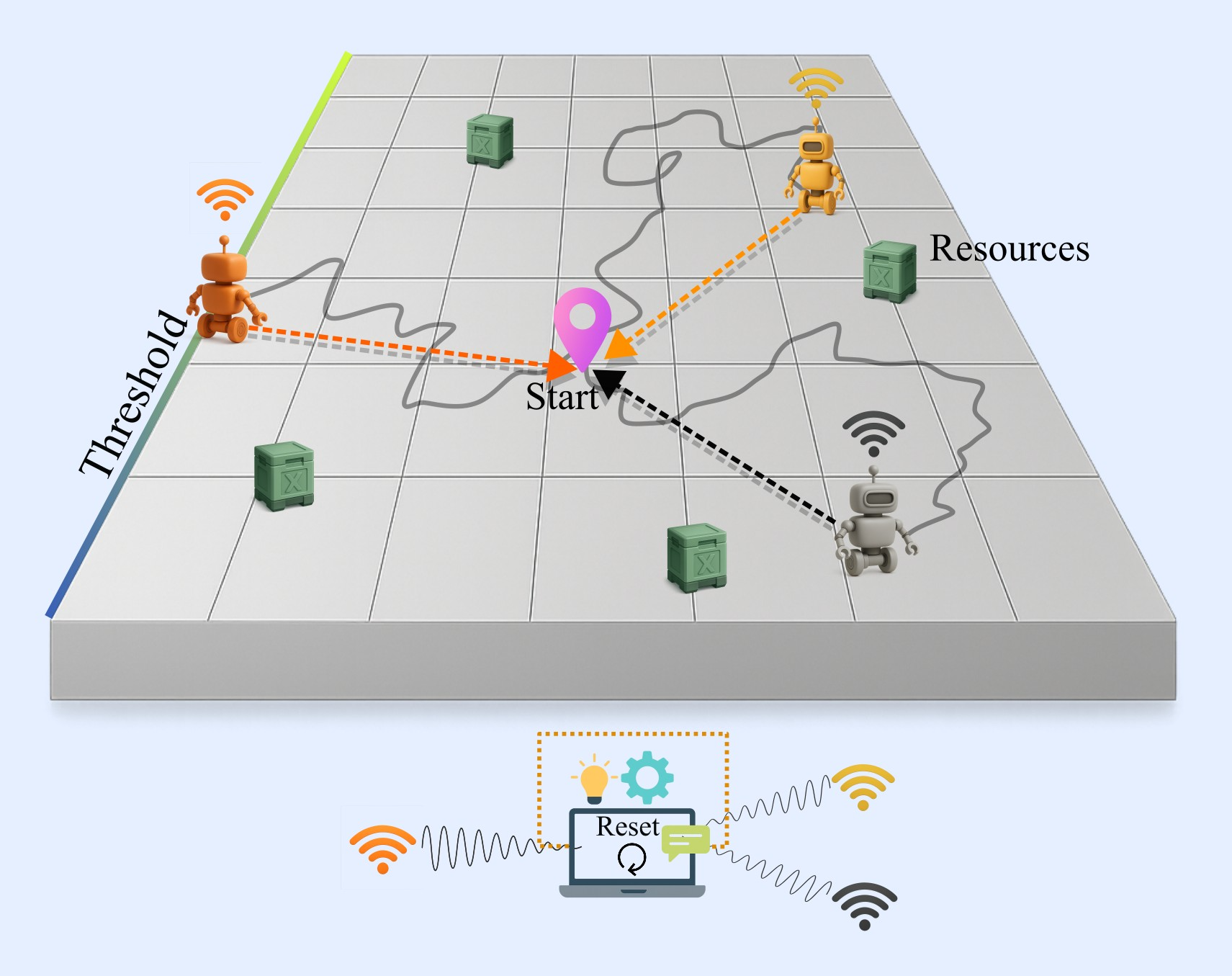
Taking inspiration from nature, IMSc researchers have developed a theoretical model that enables a group of search agents to find their target efficiently.
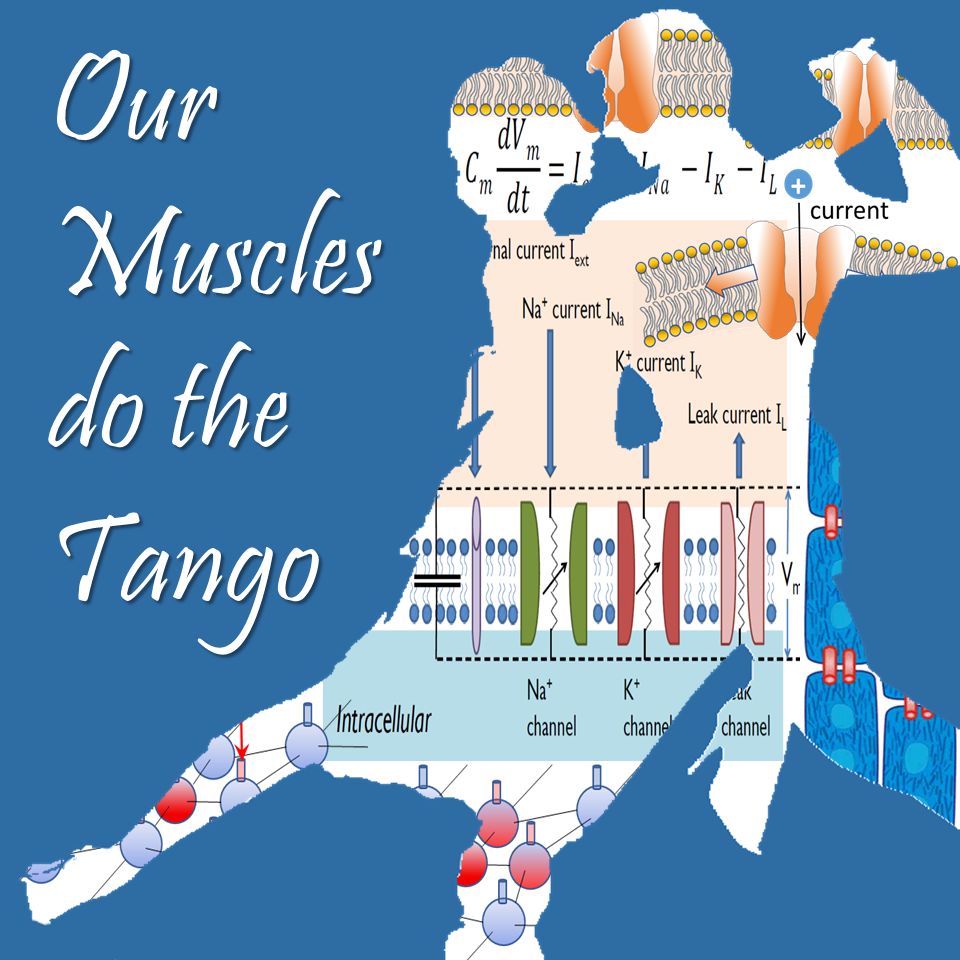
Beneath the apparent order of the human body lies a world of constant negotiation, where billions of cells sustain extraordinary coordination. Emerging research now points to how a system of mechanical communication helps preserve this order,. which complements the well-known systems of electrical and chemical signaling between cells. This could potentially reshape our understanding of biological coordination, disease, and the body's remarkable capacity for adaptation.
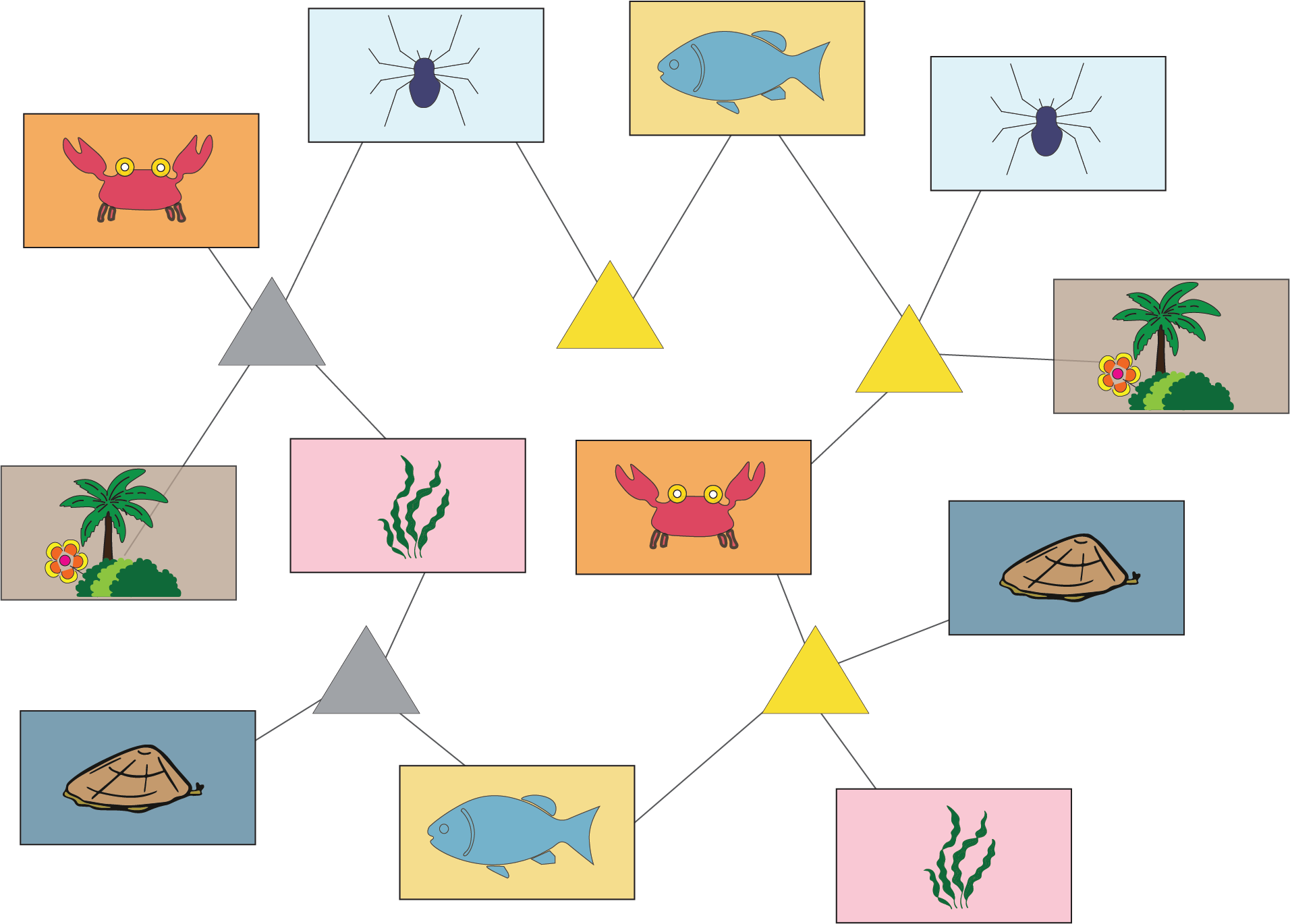
A recent study from IMSc used public databases to identify hazardous petroleum hydrocarbons and traced their mechanisms of toxicity and species-specific effects in aquatic ecosystems.
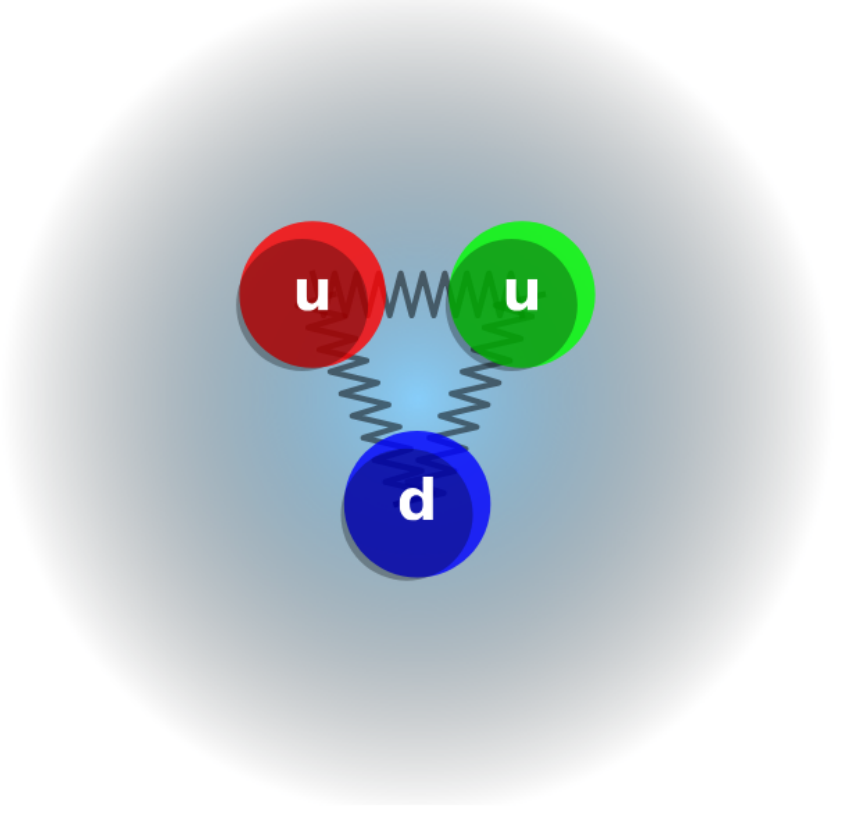
After more than a century of research in quantum physics, we have a more nuanced understanding of the incredible complexity of interactions within a nucleus.

Roni Saiba writes about discovery of post-transcriptional gene regulation in C. elegans by Gary Ruvkun and Victor Ambros, which won the 2024 Nobel Prize in Physiology/Medicine.

Researchers have developed an analytical framework for studying rare events in aggregation, which can be used to understand diverse phenomena in environment and climate, biology, and materials science.
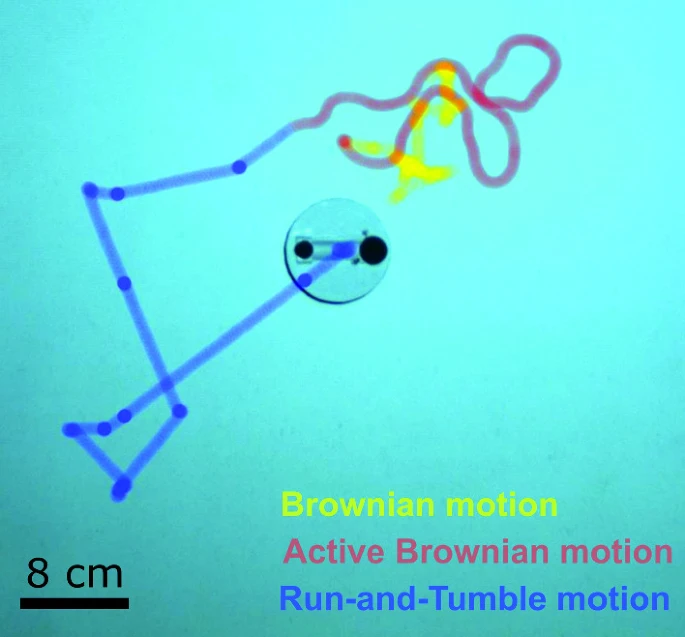
Many bacteria use energy to perform complex behaviours that allow them to move toward food while avoiding harmful repellents. The dynamics of such active systems are governed by rules in physics that can be adapted for human applications. A recent collaborative study, involving Arnab Pal from IMSc, tuned a palm-sized robot to perform a range of motions that can allow us to study active dynamics in the lab.
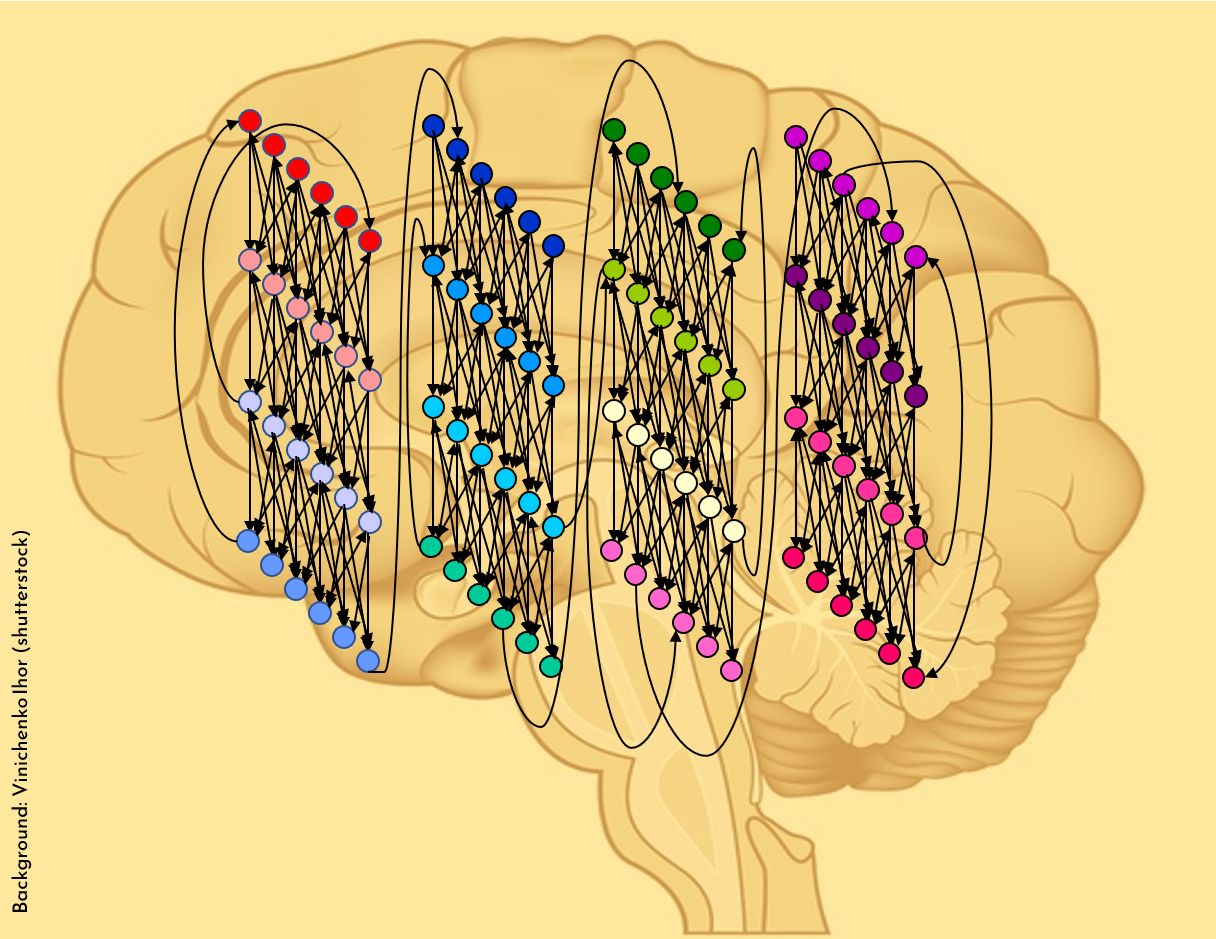
Scientists from the Complex Systems and Data Science research group at IMSc have discovered that common design principles underlie the connections within brains of varying complexity. This map of brain organization can help us understand the routes taken to process information, which allow organisms to respond to the world around them.
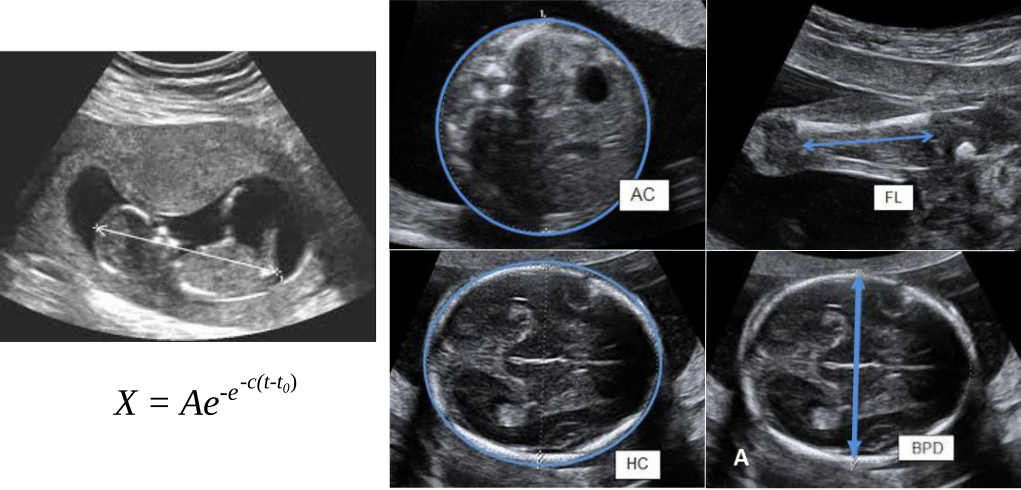
Routine ultrasounds of an expectant mother can now be used to predict the weight of her newborn baby using a growth model developed by a recent study. This allows for early interventions during pregnancy as weight deviations can be detected in advance.
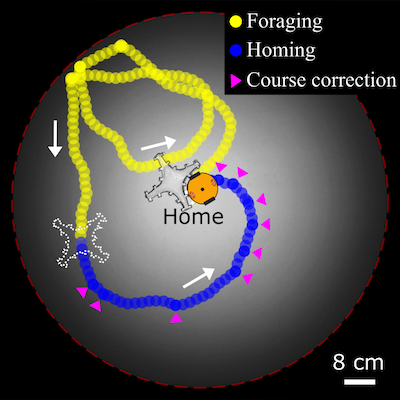
Tracking the motion of a foraging robot in the lab, researchers have discovered that homing time does not increase beyond a critical level of noise in the search process. They were able to use these predictions to explain the real world flight trajectories of homing pigeons
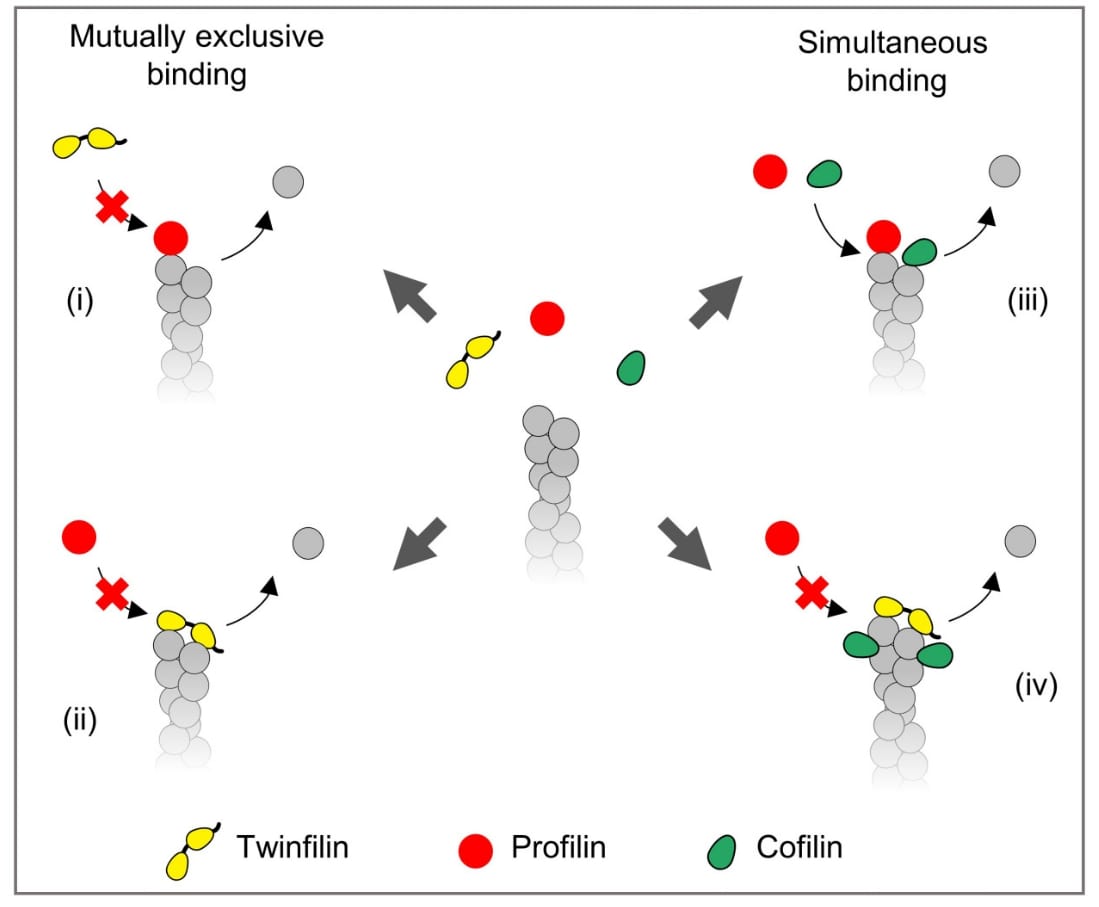
Actin is a protein that makes the scaffolding of our cells and organelles, helping them move and change shape. Combining single-molecule experiments with theoretical models, researchers have developed a neat interaction map of proteins regulating actin depolymerization.